




Advertisement
Advertisement
There's nothing more frustrating than being caught in traffic on your way home from work and realizing you're without a drink to satisfy your thirst.
Fortunately, you discover a water bottle under one of the seats!
You're not exactly sure how long it's been there, but surely it hasn't been too long, right? After all, it's just water—what's the risk in taking a few sips?
Well, the truth is, the risk associated with drinking water that has been sitting in bottles for an unspecified amount of time can be surprisingly high.
Advert
In fact, some doctors have associated this action with the development of serious health issues, including cancer, developmental problems in children, digestive issues, and fertility concerns. But why?
Research into the hazards of plastics suggests that single-use bottles can gradually release toxins into the body when combined with water.
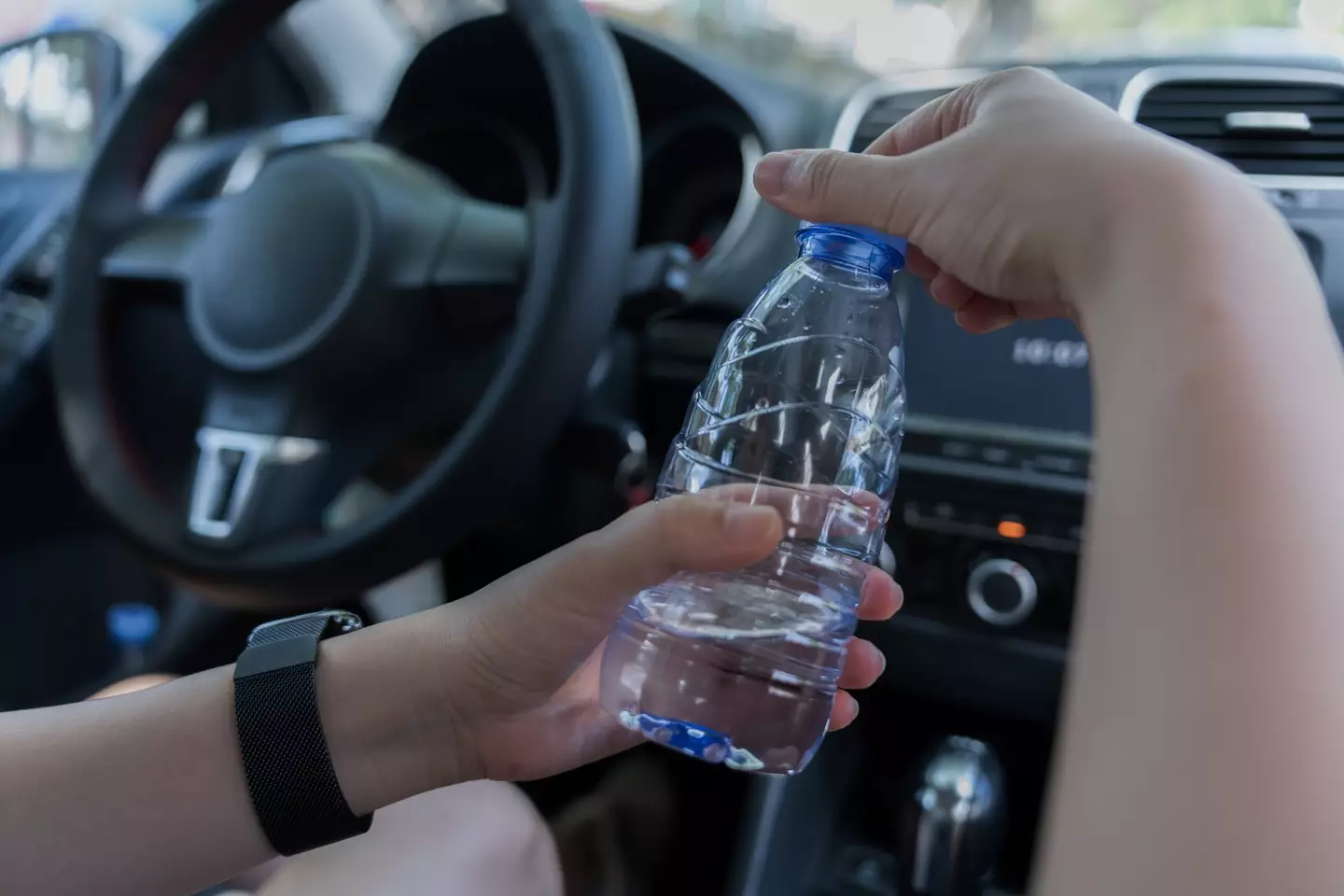
According to reports cited by The Mail, up to 80 percent of bottled water available today contains microplastics, alongside various other undisclosed substances, many linked to the severe disorders mentioned.
Advert
Worsening the situation, the damage these toxic chemicals can cause may be intensified by heat, such as when left in a parked car for a while.
A study conducted by China's Nanjing University found that plastic bottles made from polyethylene terephthalate (PET), when exposed to high temperatures—specifically around 158 degrees Fahrenheit—pose significant dangers.
This is because such heat exposure prompts the bottles to release antimony, a toxic heavy metal, as well as bisphenol A (BPA) into the water.
This can occur in as little as 20 minutes on an 80-degree Fahrenheit day, with studies showing cars can quickly reach 109F in this time, or 118F after 40 minutes.
Advert
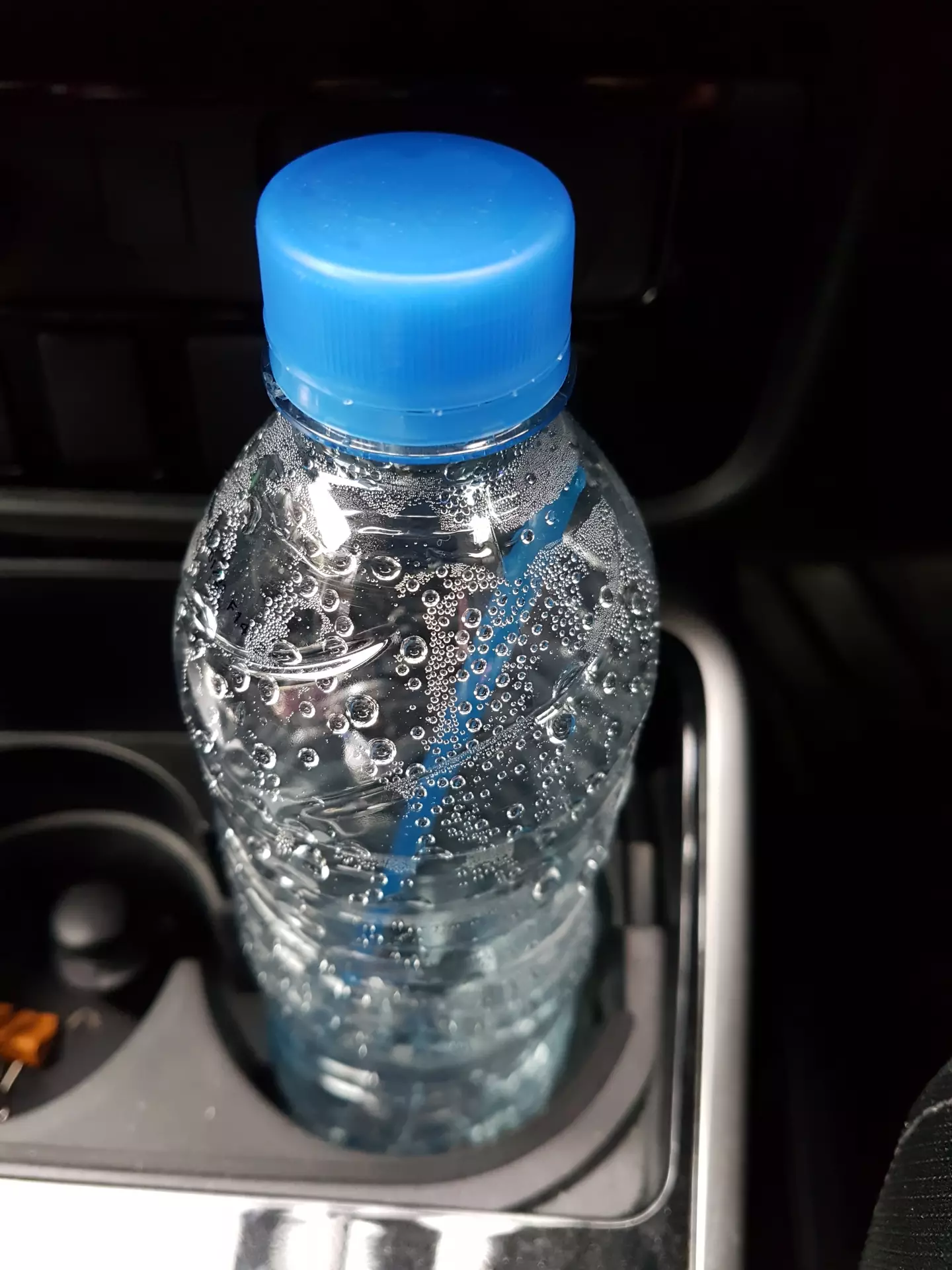
After an entire hour, this temperature can reach a worrying 123F.
Exposure to the first toxin has been linked to headaches, dizziness and fainting, nausea and sickness, stomach pain, and insomnia, along with long-term conditions such as lung inflammation and stomach ulcers.
Bisphenol-A (BPA), on the other hand, is also associated with cancer development, as well as—as previously mentioned—fertility issues, autism, heart problems, and premature death.
Advert
Therefore, scientists from Nanjing University strongly advise against storing plastic water bottles in parked cars, particularly on warm days.
A similar warning was previously issued by researchers at McGill University in Montreal, Canada, who found that storing plastic water bottles at high temperatures can release particles from four common plastics, with polyethylene being particularly concerning.

Advertisement
Advertisement
Advertisement


