




Advertisement
Advertisement
It's widely known that the use of sex toys is increasing, with the global market valued at an impressive $15 billion annually.
Research indicates that more than half of women in the United States have used a vibrator, and many are incorporating these products into their self-care routines, seeing them as a means to alleviate stress.
Experts believe that the significant rise is influenced by evolving societal attitudes towards topics previously deemed 'taboo,' such as X-rated products, along with a growing public interest in sexual wellness.
This shift is so pronounced that even celebrities like Harry Styles have entered the market. Earlier this year, the singer's brand Pleasing released a double-sided vibrator and an elegantly designed bottle of lubricant.
Advert
But what truly occurs in your body when you use, and stop using, sex toys?

Sex toys, debunked
A persistent rumor suggests that excessive use of a sex toy can desensitize the clitoris, making one less sensitive to stimulation upon cessation.
Advert
However, according to Healthline and sexologist Jill McDevitt, PhD, this is simply a misconception.
The expert elaborated: "Society often makes women feel uncomfortable with the notion of experiencing pleasure purely for its own sake and pursuing self-pleasure."
"Individuals with vulvas are warned that a vibrator will 'ruin' them for partnered sex and that they’ll be unable to orgasm otherwise."
Another specialist, Dr. Carolyn DeLucia, an obstetrics and gynecology expert, concurred, telling the publication: “It’s a complete myth that using a vibrator can desensitize your vagina or clitoris.
Advert
"There should be no issues or numbness from vibrators that operate at high intensity levels."

The science-y bit
A study published in The Journal of Sexual Medicine also affirmed that vibrators don’t induce a numbing effect.
Advert
Additionally, another study published by the National Library of Medicine thoroughly examined the real risks of sex toys, and clitoral desensitization didn’t even make the list.
Instead, researchers concentrated on what truly warrants attention: the materials sex toys are made from and what occurs with prolonged use.
Many sex toys are constructed with plastics that can deteriorate over time, releasing microplastics and potentially harmful chemicals known as phthalates.
These chemicals are banned from children’s toys in the US and EU due to potential links to hormone disruption and reproductive issues.
Advert
The researchers discovered that, surprisingly, some products labeled as 'body-safe' still contained phthalates at levels exceeding safety thresholds.
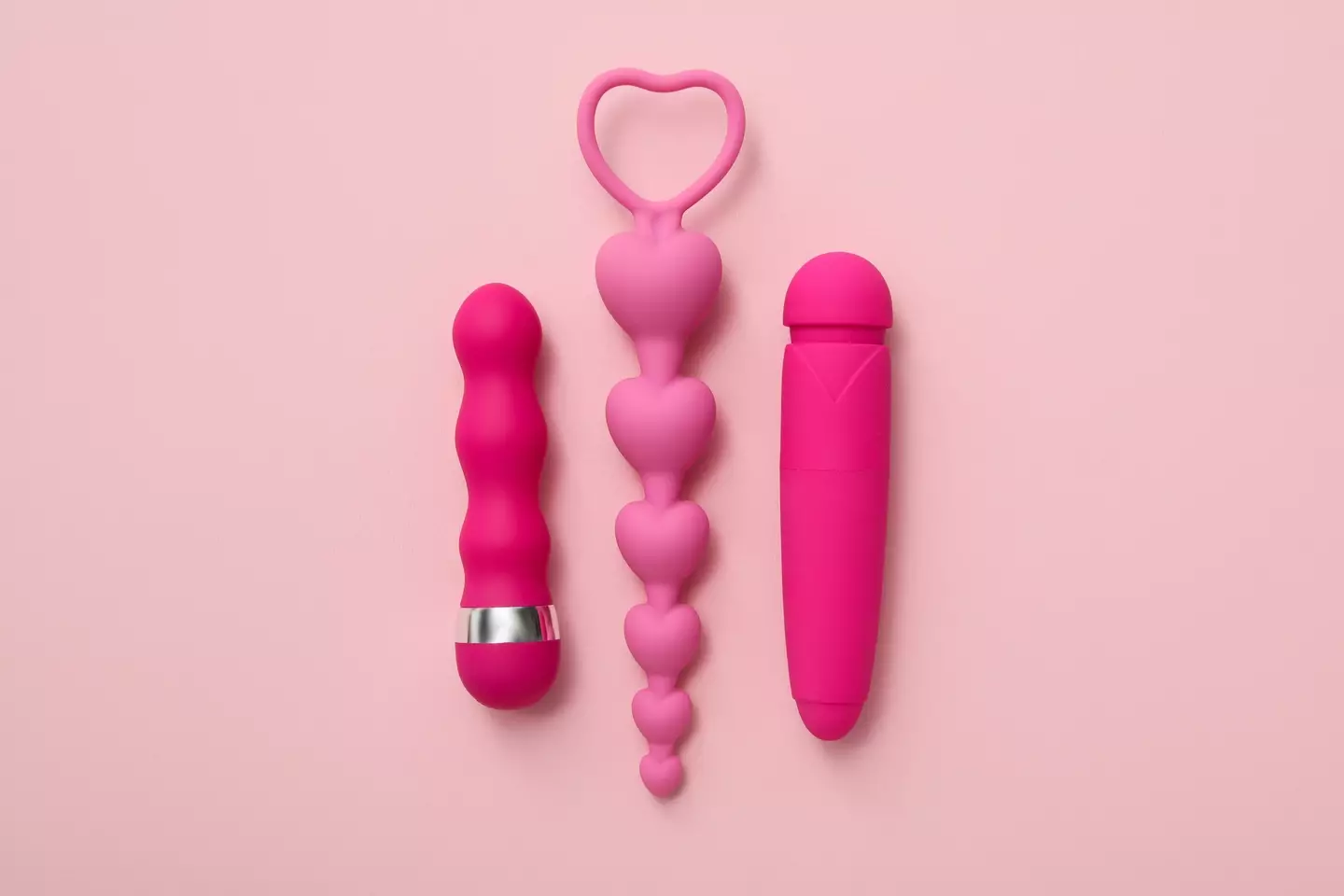
Sex toy risks
Another important consideration is that sex toy safety isn’t rigorously regulated.
Unlike products for infants or even kitchenware, sex toys aren’t subjected to strict safety checks before they reach the market. Some brands bypass regulations entirely by labeling products as 'for novelty use only' on the packaging, even though they are clearly intended for sexual use.
So, while your vibrator won’t desensitize your clitoris, it’s wise to invest in high-quality toys made from medical-grade silicone or other non-porous, phthalate-free materials. If a brand isn’t transparent about what’s in their products, it’s a significant red flag.
Additionally, it’s crucial to remember that sex toys can transmit STIs if shared or not properly cleaned.
Proper cleaning, using condoms, and avoiding porous materials help minimize risks.

Sex toy benefits
Ultimately, sex toys, especially vibrators, can be valuable tools for enhancing women’s sexual health and satisfaction with benefits like: strengthened pelvic floor muscles, relief from menstrual cramps, stress and anxiety reduction, improved sleep, increased blood flow, hormonal balance, and better management of menopausal symptoms.
Dr. Stephanie de Giorgio, a GP with a special interest in women's health, has advocated for the use of sex toys for certain health issues.
"One unexpected benefit of sex toy use, observed in a study of menopausal women, was an improvement in sleep and reduction of overnight menopausal sweating," she told Patient. "There’s also evidence that using slim internal vibrators with high-quality vaginal lubricant can boost blood flow to the vaginal area, alleviating symptoms of some vaginal conditions."
The expert added: "Some research suggests that women prefer using slim vaginal vibrators over more clinical dilators often prescribed. This can complement other recommended treatments, such as local anesthetic gels, medication, and psychological therapies."
Moreover, the benefits extend beyond just physical or mental health; they can also enhance your relationship by opening up conversations about sex and individual preferences.
"It might be something they haven’t tried before due to embarrassment or fear of purchasing items, but expert guidance is available," Dr. Giorgio said. "They might find that their sex lives benefit from this newfound openness."
Similarly, a 2024 study published in the National Library of Medicine titled The Role of Vibrators in Women’s Pelvic Health: An Alluring Tool to Improve Physical, Sexual, and Mental Health found that regular vibrator use was linked with improved sexual health, reduced pelvic and genitourinary symptoms, and positively impacted mental health and quality of life in women.
The bottom line
While myths like vibrator dependency are unfounded, prioritizing safety and hygiene is crucial.
So, it's perfectly fine to hold on to your favorite toy – just remember to scrutinize its ingredient list as carefully as you would your skincare products.

Advertisement
Advertisement
Advertisement


