




Advertisement
Advertisement
Bruce Willis' wife, Emma Heming, has shared a deeply emotional revelation about the state of their marriage before the Hollywood star's dementia diagnosis.
In 2023, the family of the 70-year-old Die Hard actor disclosed that he had been diagnosed with frontotemporal dementia, a rare condition that, according to the NHS, impacts the front and sides of the brain, affecting language and behavior.
The previous year, they had announced that Willis was diagnosed with aphasia, a condition impairing communication and cognitive skills.
"FTD doesn’t scream, it whispers," Emma, 47, told PEOPLE in an exclusive interview published on September 4. "It’s hard to pinpoint where Bruce ended and the disease began."
Advert

Emma, who married Bruce in 2009 and shares two daughters with him, Mabel Ray, 13, and Evelyn Penn, 11, added: "I noticed his stutter returning, but it never crossed my mind that it could be a symptom of FTD. Conversations no longer flowed, and our relationship began to change. It was difficult to understand what was going on."
Before the diagnosis, Emma was perplexed by the growing communication issues as Bruce seemed more distant.
Feeling frustrated and doubtful, she remembered thinking: "I believed it was something wrong in our marriage."
Advert
"It felt like hitting a brick wall. I kept wondering, 'Where is this miscommunication coming from? What's going wrong in our relationship?'"
Eventually, she realized her husband's distance wasn't caused by anything she did.
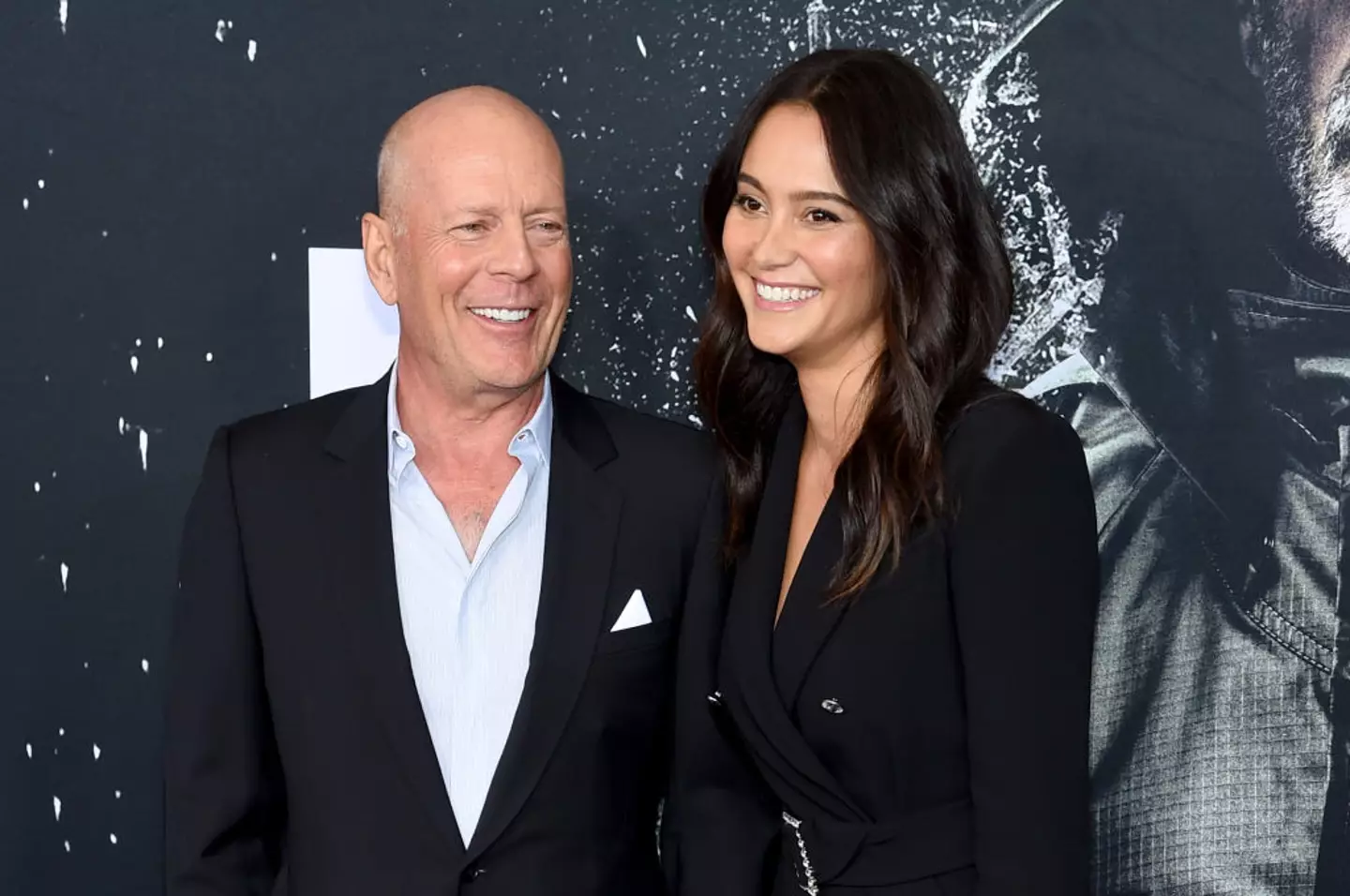
"I've heard of many couples going through this, mistaking it for marital issues when it's actually a symptom of the disease," Emma explained.
Advert
Receiving the diagnosis was a 'relief' for Emma, as her frustration with Bruce vanished instantly.
"Understanding that it wasn't my husband but the disease affecting his brain brought relief," she said. "Once I knew, I felt more at peace."
In a recent interview on August 26, titled Emma and Bruce Willis: The Unexpected Journey with Diane Sawyer on Good Morning America, Emma shared that 'one of the hardest decisions I've had to make' was moving Bruce to a one-story home for full-time care.
Emma assured that, even though they no longer live together, she joins Bruce for breakfast and dinner daily.
Advert
"I knew Bruce would want the best for our daughters," she told Sawyer. "He'd want them in a home suited to their needs, not his."
If you've been affected by dementia or Alzheimer's and would like to speak with someone in confidence, contact the Alzheimer’s Society via 0333 150 3456 or visit their website for more information.

Advertisement
Advertisement
Advertisement


