




Advertisement
Advertisement
On a tranquil evening in Austin, Texas back in 1991, four teenage girls met a tragic end at a yogurt shop, and the case remains unsolved to this day, with their killer still at large.
However, this could soon change, as the detective on the 34-year-old cold case cites advancements in 'forensic technology' and a new documentary raising awareness as reasons he feels 'confident' it can be resolved.
For those unfamiliar with the tale, the appalling crimes that shook the then-small American city have been adapted into a HBO true crime docuseries titled The Yogurt Shop Murders.
Advert
The series takes viewers through the night that Eliza Thomas, 17, Amy Ayers, 13, and sisters Jennifer Harbison, 17, and Sarah Harbison, 15, were tragically shot and killed at an I Can't Believe It's Yogurt! store in North Austin.
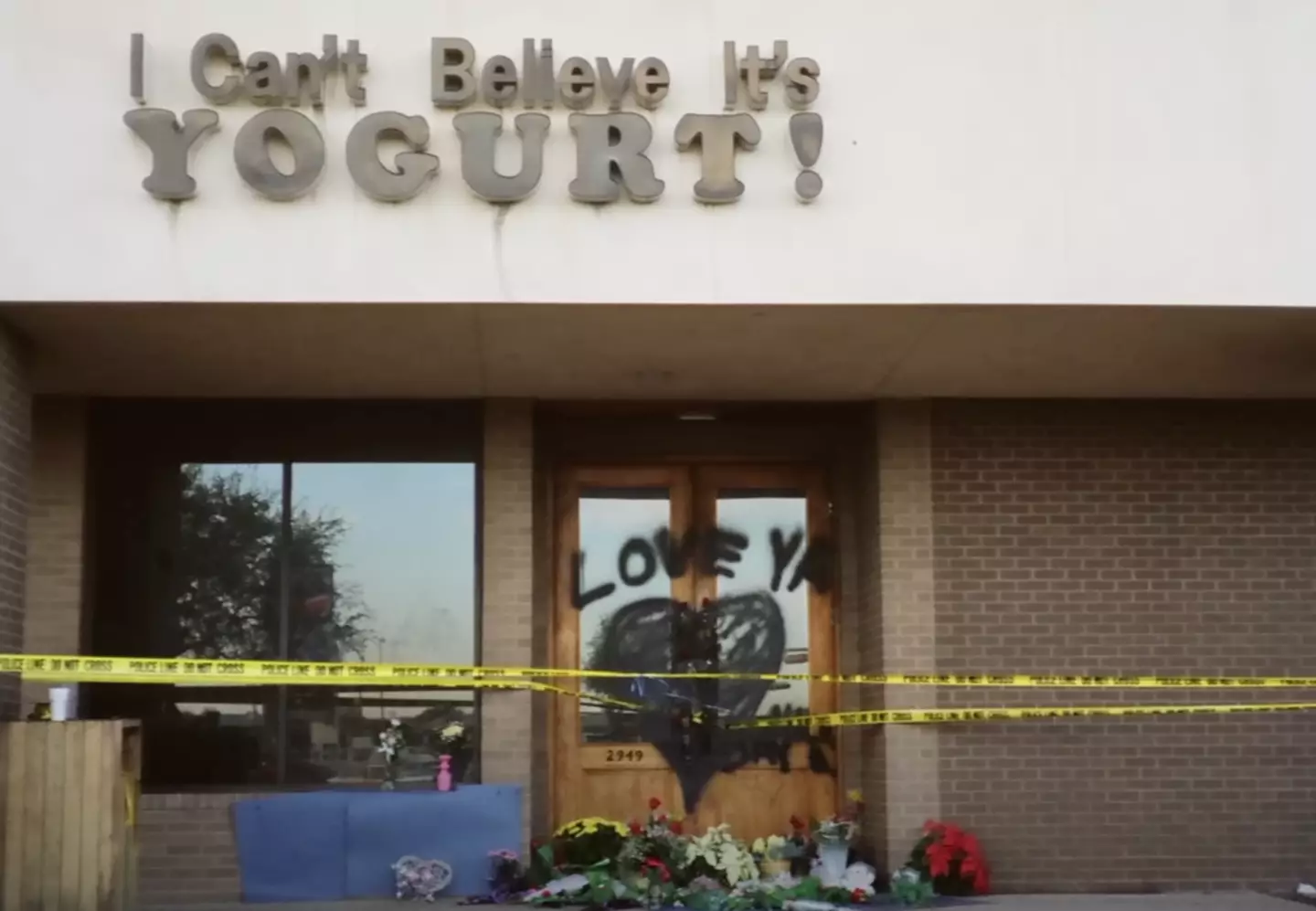
The night of the Austin Yogurt Shop Murders
Jennifer and Eliza were closing up the store as employees, while Jennifer's younger sister Sarah and her friend Amy were waiting for a ride home after visiting a nearby mall.
Advert
All four were discovered dead, with three of the girls gagged and bound with their own underwear, and the shop was set ablaze, which investigators suspect was an attempt to destroy any evidence.
Any potential fingerprints or DNA evidence was obliterated by the intense fire and soaked by the water used by firefighters to extinguish it.
The devastating crime, its impact on the parents and families, and the decades-long quest for answers are all examined in the docuseries, which Detective Dan Jackson believes 'could be the break' needed to solve the case.
One of the most heart-wrenching moments in the series involves the yogurt shop's owner, Reese Price, recalling the moment she had to identify the girls' bodies to spare their loved ones the trauma.
Advert
She emotionally described: “There wasn’t anything there to identify. They didn’t have faces. There was no clothing. Fire is very destructive. It’s not forgiving.”
Wrongly convicted suspects and overturned verdicts
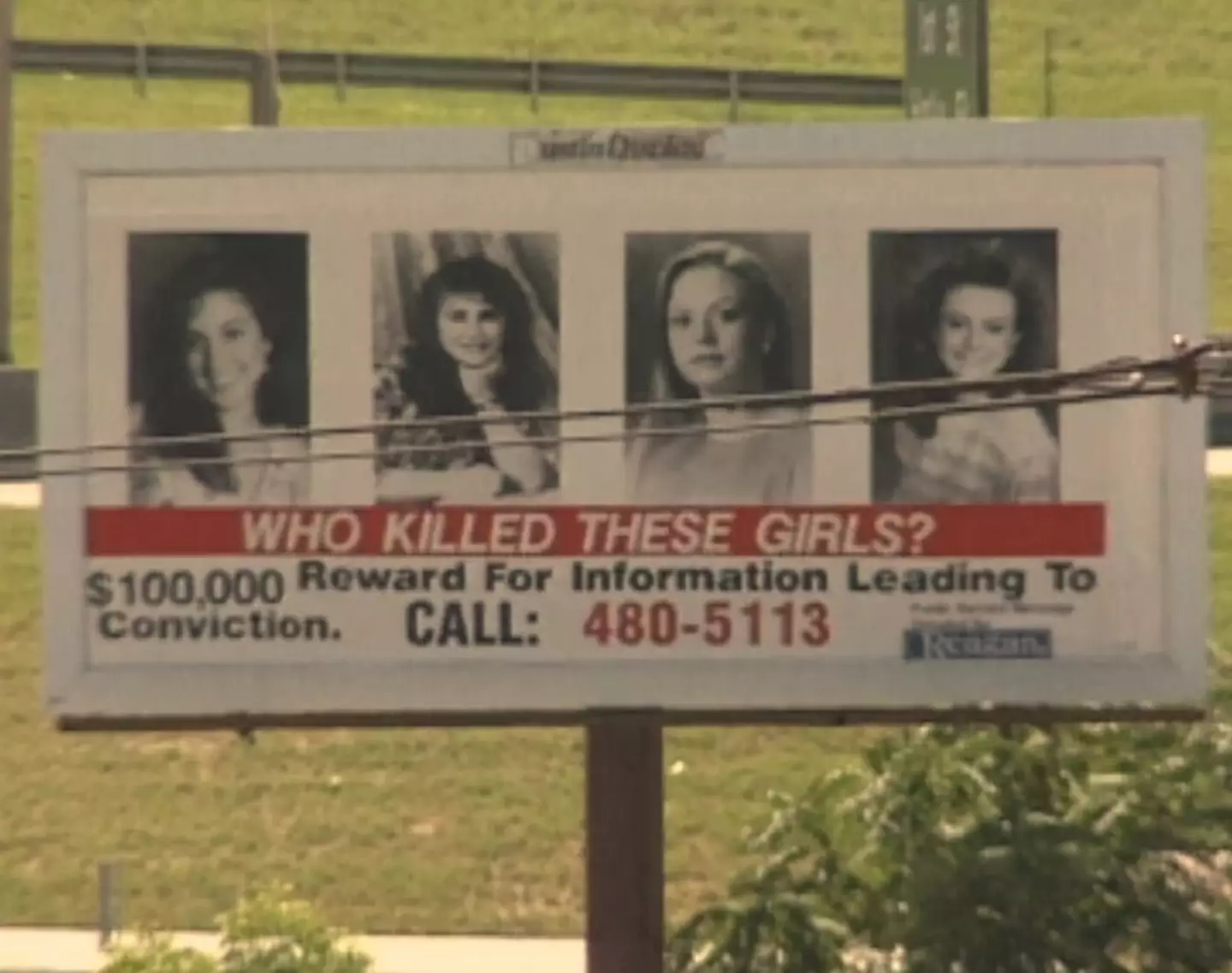
The local community was left heartbroken by the murders, with billboards featuring their faces and the question: "Who killed these girls?"
Despite the scant evidence, several suspects were investigated in the documentary, including a group of local boys, two of whom were initially convicted but later had their verdicts overturned.
Advert
Robert Springsteen received a death sentence in 2001 for Ayers' murder, while Michael Scott was sentenced to life the following year for her death.
However, they were eventually released as DNA evidence from the crime scene did not match either of them, and they were 'not adequately allowed to cross-examine each other.'
Detective Jackson took over the case in 2022, on his first day with the Austin Police Department’s cold case unit, and seeks to assure the public that even three decades later, hope is not lost.
Forensic breakthroughs could finally crack the case
In an interview with USA Today earlier this year, he stated: "One of the things that we want the public to know is that this case is active. It's constantly being worked on.
Advert
"If I didn't think I could solve it, then why get up every day?” he continued, "I think that with new technology, new information that we have − that I can't disclose − even since I've taken the case over, the ability to do more with less when it comes to forensics is far advanced compared to a few years ago.
"When I started, we needed a certain amount (of DNA). We weren't even close to it, but that amount needed is so much less now. I am confident that I will solve this.”
The detective also hopes the new documentary could be a turning point, encouraging someone with knowledge of the events to come forward with information.
He explained: “Somebody out there knows something. That's one of the things with cold cases. ... Over time, people may find themselves more willing to come forward with information they might have withheld years ago.
"Or they might realize something they thought was insignificant could be important, prompting them to call in and share it. Who knows? It could be the break we need."
If you have any information about the case, visit austincrimestoppers.org or send an email to yogurtshop@austintexas.gov.

Advertisement
Advertisement
Advertisement


