




Advertisement
Advertisement
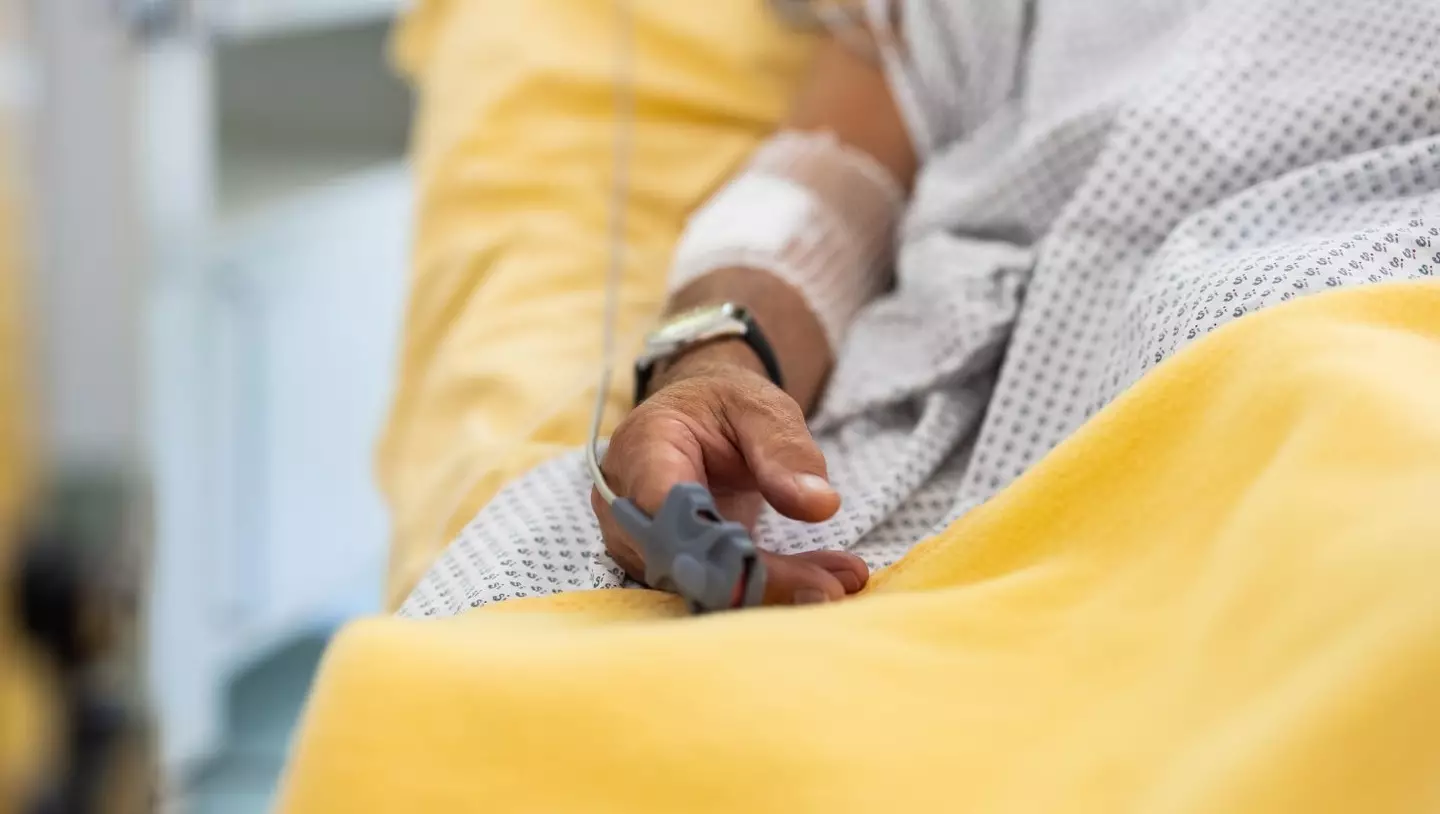
The United States has reported its first human case of travel-related New World screwworm, a flesh-eating parasite that can be fatal if not treated promptly.
Andrew G. Nixon, a spokesperson for the Department of Health and Human Services (HSS), confirmed to Reuters that the case was identified in a Maryland resident who had recently traveled to El Salvador.
He stated that on August 4, the Centres for Disease Control and Prevention (CDC) verified that the larvae found were from the New World screwworm fly.
According to Nixon, the threat to public health in the United States from this unexpected introduction is currently considered ‘very low’. He also highlighted that no animal cases have been reported this year.
Advert
Though human infections can be deadly, they are infrequent, and most cases can be successfully treated.
Previously, the US Department of Agriculture (USDA) noted that screwworms have been migrating north into Mexico from other regions of Central America.
The fly is native to Cuba, Haiti, the Dominican Republic, and several South American countries, as per NBC News.
Advert
Tyla has reached out to the US Department of Health and Human Services for additional comments.
What are screwworms?
Cochliomyia hominivorax, more commonly known as the New World screwworm fly, is a species of parasitic blowfly whose larvae consume the living tissue of warm-blooded animals, especially cattle.
Described by the USDA as a ‘devastating pest’, the screwworm—named for the maggots' burrowing feeding behavior—was originally eradicated from the United States in the 1960s.
Advert
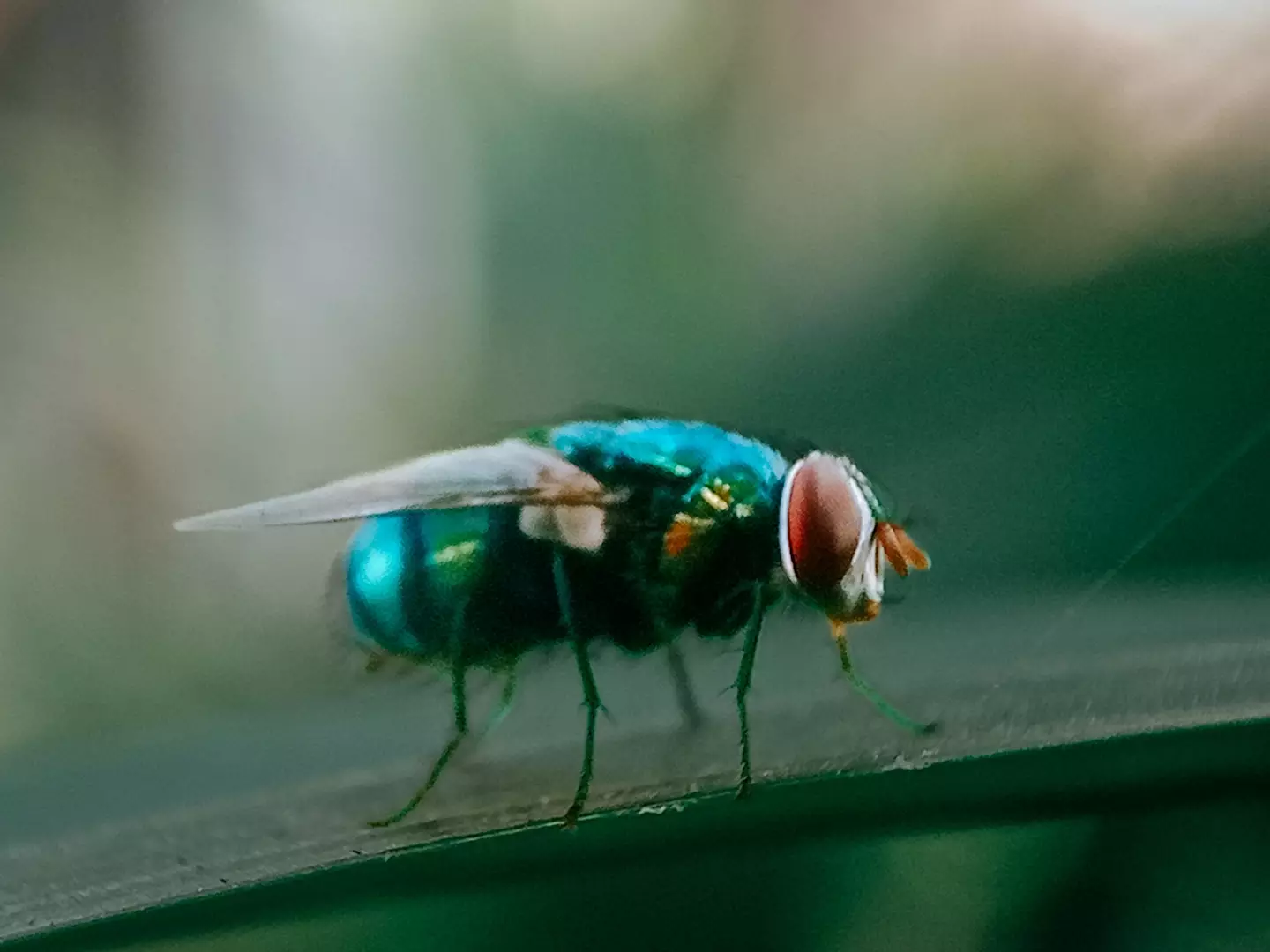
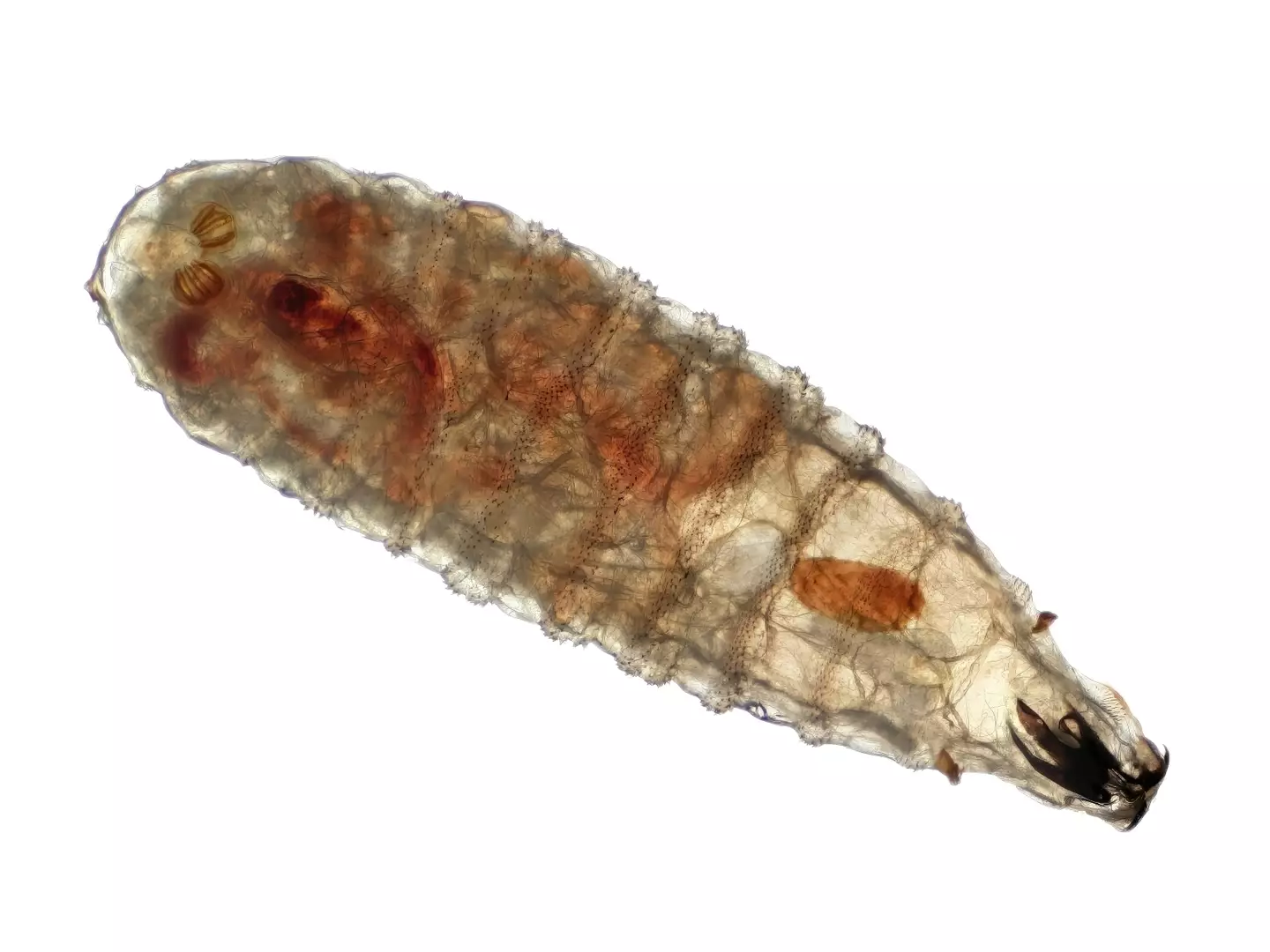
While the flies are similar in size to common houseflies, the screwworm larvae typically measure between 6.5 to 17mm in length, as per the CDC.
You can identify these pests if the larvae are tapered at the front, truncated at the back, and have encircling bands of short, pointed spines on each body segment.
Common signs of screwworm infection
The female New World screwworm fly will deposit eggs on the edges of open animal wounds—whether on the nose, mouth, or even the umbilical cord of a newborn.
Advert
Eggs are creamy white, according to the Equine Disease Communication Centre (EDCC), and can be laid in wounds as small as tick bites.
Within 12 to 24 hours, the eggs hatch, and the larvae begin to feed on your warm-blooded pet for about seven days.
They can create large, foul-smelling lesions up to 10–12cm in diameter.
Advert
Symptoms indicating that your animals are suffering from burrowing screwworms include:
- Irritated behavior
- Head shaking
- The smell of decay
- Visible presence of fly larvae (maggots) in wounds
What to do in case of screwworm infection?
If you observe maggots on a wound, you should immediately contact your healthcare provider or local veterinary service.
Currently, there are no animal drugs approved by the FDA for the treatment or prevention of the larvae in animals, as per the USDA.
However, the FDA offers guidance to support veterinarians in identifying FDA-approved animal drugs labeled for uses other than NWS myiasis that scientific literature suggests may be effective for preventing or treating NWS myiasis, according to the agency.
What have CDC said about the infestation?
Speaking to Tyla, the CDC stated: "In collaboration with the Maryland Department of Health, we investigated a confirmed case of travel-associated New World screwworm in a patient who returned from a trip to El Salvador.
"The case was confirmed by CDC through telediagnosis (i.e., expert review of submitted larvae images) on August 4, 2025.
"This is the first human case of travel-associated New World screwworm myiasis (parasitic infestation of fly larvae) from an outbreak-affected country identified in the United States." For more information on how screwworms affect people or to report human disease, you should contact the CDC.
Advertisement
Advertisement


Advertisement


